
Continuing our multi-part FOG Focus series, we’re taking a look at Rescue Equipment (Chapter 3) from Tribalco Rescue’s Rope & Confined Space Field Operations Guide (FOG).
Chapter 3 outlines the standards, definitions, and practical use of rescue equipment commonly used in technical rescue environments. One of the most versatile and widely used components in rope rescue systems is tubular webbing.
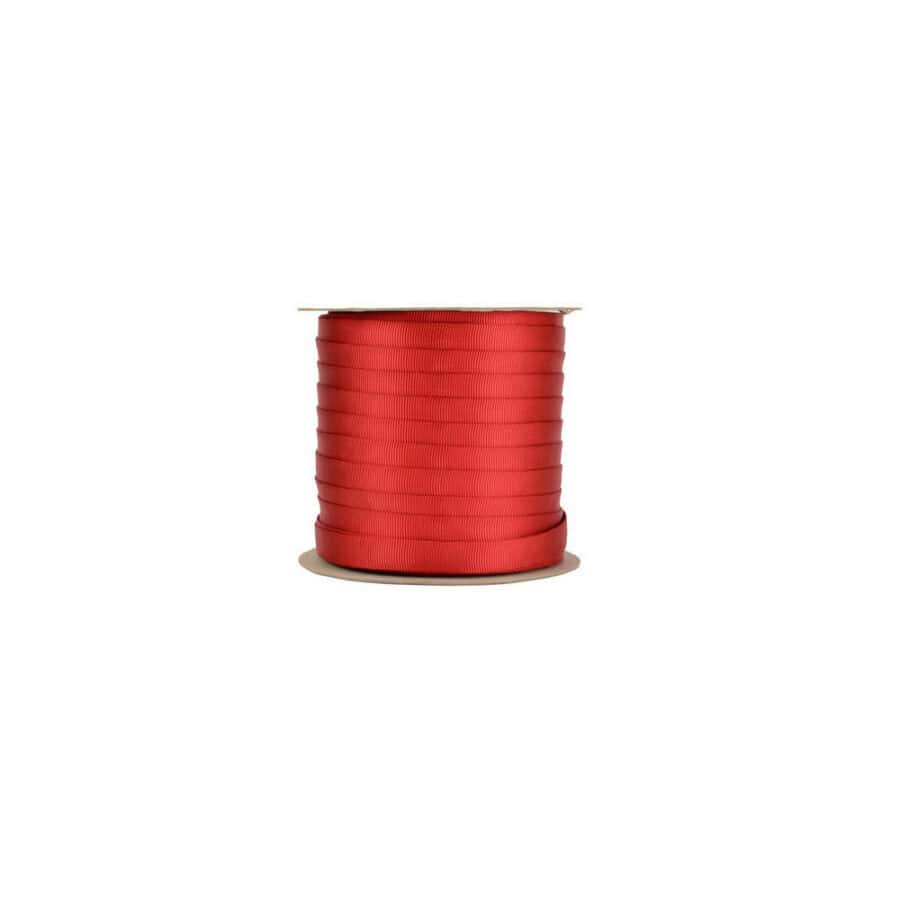
Tubular Webbing
Tubular webbing is used for anchors, patient lashing, and improvised harnesses.
1” Tubular Webbing
- Strength: 4,000 lbf end-to-end
- When used as an anchor, it should be formed into a loop with a water knot, then at least doubled around the anchor.
- In this configuration, it meets NFPA General Use strength (approximately 12,000 lbf).
- Water knots should always be used to join the ends of webbing.
Common Rescue Lengths
- 24 ft – Improvised harnesses
- 30 ft – Basket lashing
Inspection
Inspection should be performed using sight and touch to identify:
- Visible damage
- Contamination
Unlike rope, tubular webbing has no core, meaning surface damage is more critical to strength reduction.
Operational Takeaways
Short, practical reminders:
- Use a water knot to join webbing ends
- Double webbing around anchors to achieve appropriate strength
- Inspect webbing using sight and touch before use
- Surface damage significantly impacts strength due to lack of a core
Why This Matters
Tubular webbing is a foundational component in many rescue systems. Understanding proper configuration, strength considerations, and inspection practices helps ensure system reliability and rescuer safety during technical operations.
Learn More
👉 Explore the full Field Operations Guide or order your copy:
rescue.tribalco.com/gear/fog